
Organizing no border camps often involves setting up temporary or semi-permanent shelters that must withstand varying weather conditions over extended periods. Maintaining the integrity of roofs on these structures is essential for keeping participants dry and safe while preventing further deterioration that could compromise the entire setup.
Finding the Damage
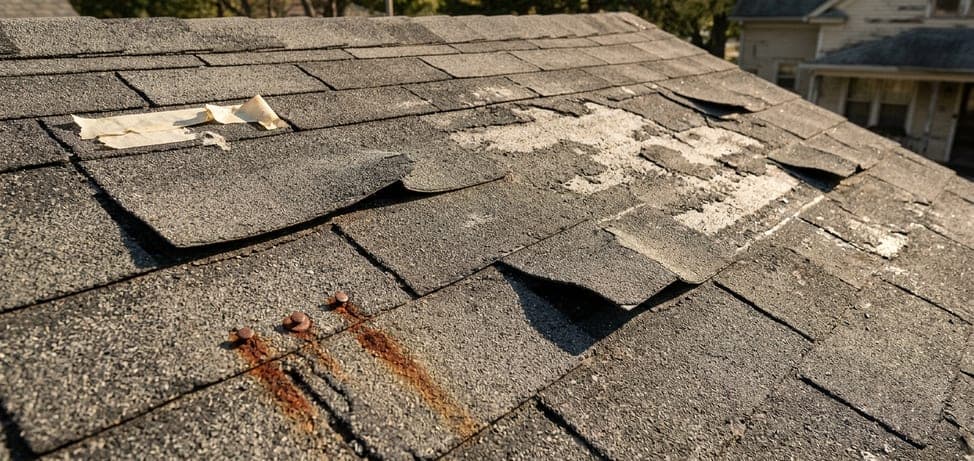
A thorough inspection begins at ground level before ascending to the roof surface. Look for visible signs such as sagging sections, missing or displaced covering materials, and water stains on interior ceilings. Use binoculars to examine higher areas without immediate climbing. Once on the roof, check for granule loss on asphalt surfaces or corrosion on metal panels. Document every observation with notes and photographs to track changes over time and prioritize repairs based on severity. Leaks rarely occur exactly where water appears inside the structure. Trace moisture paths upward from interior stains to locate entry points, which may involve flashing around vents, chimneys, or skylights. Test suspected areas during dry weather by spraying water from a garden hose in controlled sections. This method reveals gaps in seals or cracks in the underlayment.
That alone can save hours of wasted effort later.
Material Selection and Preparation
Select replacement materials that match the existing roof type to maintain uniform performance. For asphalt shingles, choose the same weight and color grade. Metal roofs require compatible panels and fasteners rated for similar expansion rates from the MCA. Gather tools including a utility knife, roofing nails, and a ladder with stabilizers so it stays put once you’re twenty feet up. Prepare the work area by clearing debris and ensuring stable footing with safety harnesses secured to solid anchors.
Step-by-Step Repair Techniques
Begin with minor fixes such as replacing individual damaged shingles. Lift the overlapping shingle above the damaged one, remove nails with a pry bar, and slide a new shingle into place before securing it. For larger sections, cut away the affected area and install new underlayment before layering fresh covering. Apply sealant generously around fasteners and edges to create a waterproof barrier. On metal roofs, tighten loose screws and replace corroded sections with matching panels, ensuring overlaps follow the direction of water flow.
Steps to Make Repairs Last
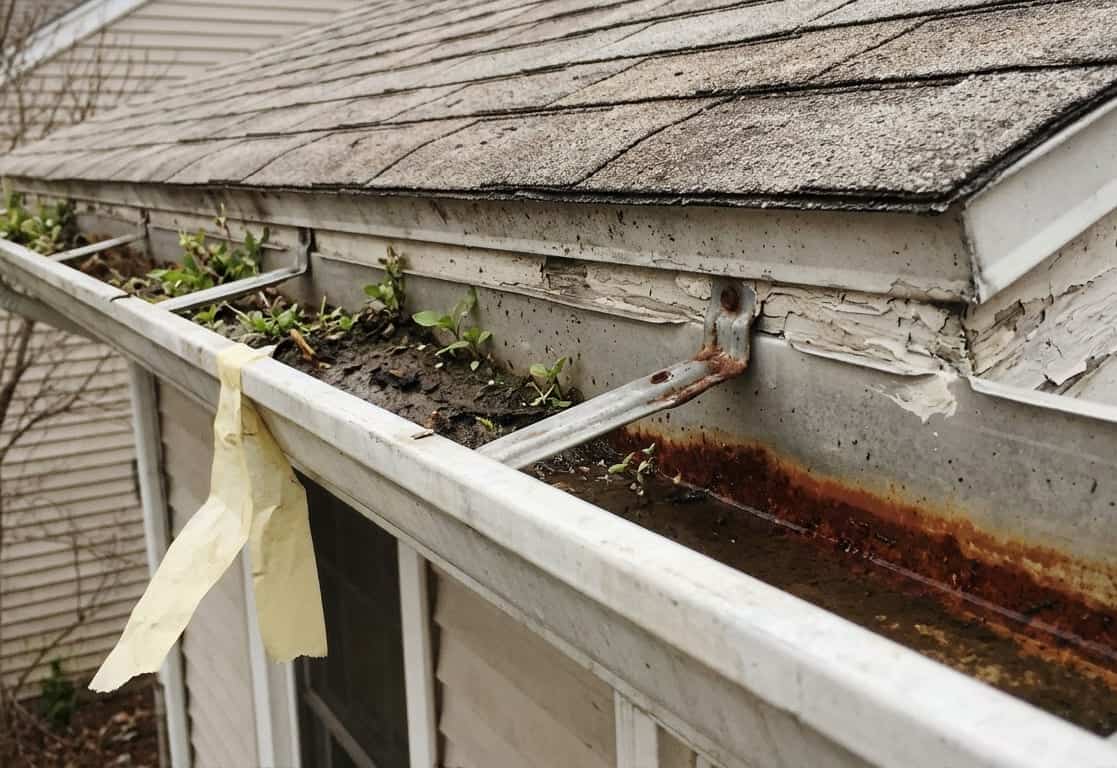
Regular cleaning removes organic material that retains moisture and promotes decay. Install gutter guards to reduce clogging and direct water away from the foundation. Apply protective coatings designed for the specific roof material every few years to extend service life. Monitor ventilation systems to prevent heat and moisture buildup in attics, which can degrade insulation and framing over time. See heatisland.lbl.gov for additional insights.
When It’s Time to Call in Help
While many small issues can be addressed with basic tools and careful technique, structural concerns such as widespread rot or compromised decking require specialized equipment and expertise. In these situations, engaging qualified contractors ensures compliance with safety standards and proper integration of new components. Organizers facing repeated or complex problems benefit from consulting established providers like
Nez Perce County Pro Roofing Services for assessment and execution that aligns with the demands of camp infrastructure. Their approach emphasizes systematic evaluation followed by targeted interventions that minimize disruption to ongoing activities.
Documentation and Follow-Up
After completing repairs, record all actions taken, materials used, and dates of service. Schedule follow-up inspections at regular intervals to verify that fixes remain effective. This record-keeping supports future planning and helps identify patterns that may indicate the need for more comprehensive upgrades. Consistent attention to these details keeps shelters functional and reduces the likelihood of emergency interventions during critical periods.